Ultimate Guide to Freeze Dried Fruit: Nutrition, Benefits, and Uses
6 月-24-2025
What is Freeze Dried Fruit?
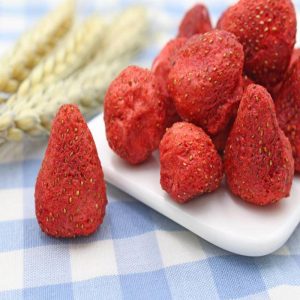
Freeze dried fruit is created through advanced freeze-drying technology, where fresh fruits are rapidly frozen at -40°C, then placed in a vacuum chamber. Under low pressure, ice crystals transition directly into vapor without passing through a liquid phase—a process called sublimation. This removes 95-99% of moisture while preserving the fruit’s cellular structure, resulting in crisp, lightweight snacks that retain their original shape, color, and nutritional value.
Superior Nutritional Profile
Unlike heat-based dehydration, freeze dried fruit maintains heat-sensitive nutrients:
- Vitamin C, B vitamins, and antioxidants like anthocyanins remain nearly intact due to low-temperature processing.
- Minerals and dietary fiber concentrate, offering a nutrient-dense alternative to sugary snacks.
Studies confirm freeze-drying preserves up to 97% of antioxidants in berries, outperforming air-dried or fried alternatives.
Culinary Versatility & Applications
As a shelf-stable superfood, freeze dried fruits excels in diverse scenarios:
- Snacking: Enjoy as a crunchy, no-added-sugar treat straight from resealable packaging.
- Baking: Rehydrates instantly in batters, adding natural sweetness to muffins and granola bars.
- Meal Enhancement: Sprinkle on oatmeal, yogurt, or salads for vibrant flavor bursts.
- Emergency Kits: Lightweight, non-perishable, and nutrient-rich for camping or disaster preparedness.
Its “sponge-like” porosity also makes it ideal for infusing beverages or blending into smoothie powders.
Economic & Environmental Impact
The global freeze-dried fruit market is expanding rapidly, driven by health-conscious consumers and sustainable food trends:
- Zero additives: Most varieties contain only pure fruit, appealing to clean-label buyers.
- Reduced waste: Extends seasonal produce availability year-round with minimal preservatives.
- High-value export: FD technology transforms perishable crops into premium goods, benefiting farmers in tropical regions.
Choosing Quality Products
Opt for brands that prioritize:
- Single-ingredient lists (e.g., “100% strawberries”), avoiding added sugars or oils.
- Nitrogen-sealed packaging to prevent oxidation and moisture absorption.
- Organic certifications when possible, reducing pesticide residues.