Instant Tea Powder vs Brewed Tea Concentrate: Which Supply Format Fits?
11 月-05-2026
Quick Summary
Instant Tea Powder Vs Tea Concentrate should be selected through the finished application, a written specification, a traceable sample, and evidence that supports lot release. This guide explains mixing equipment, storage footprint, flavor target for beverage operations manager teams evaluating instant tea powder, tea concentrate. The goal is a comparable bulk-order or supplier decision, not a generic claim about which option is always best.
Which sample should a buyer approve when several versions of instant tea powder, tea concentrate appear acceptable? The answer depends on the finished product, the process, and the evidence attached to the sample. This article is written for a beverage operations manager whose search intent is product comparison. It focuses on process, storage, and consistency trade-offs and gives a decision path that can be checked before a bulk order.
Freeze-dried ingredients are low-moisture, porous materials, but the commercial result still depends on raw material, cut, process, packaging, handling, and the final formula. The statements below are buyer-side controls, not promises about a specific production lot. Product values and legal requirements must be confirmed for the actual destination market and purchase specification.
What decision should the buyer make about Instant Tea Powder Vs Tea Concentrate?
The decision should begin with the finished product and work backward. For ready-to-drink and foodservice beverages, define the consumer experience, processing conditions, pack format, and release requirements before selecting among instant tea powder, tea concentrate. This prevents the ingredient name from becoming a substitute for a specification. Compare cost in the finished beverage and confirm that the selected format fits plant handling and sensory targets.
A practical decision rule is to separate mandatory conditions from preferences. Mandatory conditions protect food safety, legal compliance, process compatibility, and the declared product identity. Preferences cover matters such as shade, piece appearance, or convenience when they do not change safety or functionality. A supplier option that fails a mandatory condition should not be rescued by a low price or attractive sample.
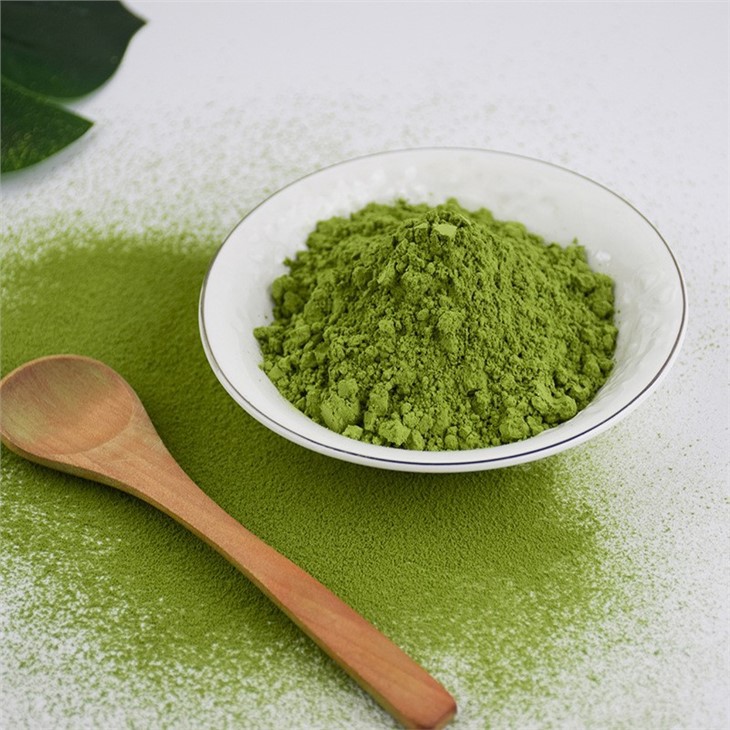
How do the available Instant Tea Powder options differ in practice?
Comparisons are meaningful only when the commercial scope is normalized. Buyers should compare the same product form, ingredient declaration, pack type, shipment basis, test requirements, and volume. For instant tea powder, tea concentrate, the most visible difference may not be the most expensive one. Yield, breakage, dosage, sorting loss, or packing speed can change the cost of the finished unit.
Use an “if–then” decision. If storage footprint controls product performance, select the option with stronger evidence for that requirement. If the requirement for flavor target is flexible, avoid paying for a tighter tolerance that creates no buyer value. Record exceptions separately so the purchasing team does not treat unlike quotations as equivalent.
| Decision factor | Buyer question | Evidence | Gate |
|---|---|---|---|
| mixing equipment | Evidence to request: how will this affect ready-to-drink and foodservice beverages? | Controlled specification plus approved sample | Must meet before quotation comparison |
| storage footprint | Decision gate: how will this affect ready-to-drink and foodservice beverages? | Named test method and lot-specific result | Must meet before sample approval |
| flavor target | Commercial consequence: how will this affect ready-to-drink and foodservice beverages? | Application trial record under intended conditions | Must meet before production |
| dosage control | Critical question: how will this affect ready-to-drink and foodservice beverages? | Packaging or shipment verification record | Must meet before shipment release |
This table is a project-planning example, not a universal product specification. Acceptance limits must be agreed for the actual product, market, and process.

Which specification points should be fixed before sampling?
The purchase specification should contain enough information to obtain comparable samples and quotations. For this project, four high-value criteria are mixing equipment, storage footprint, flavor target, dosage control. Each needs a definition, a method of verification, and an owner who can approve deviations.
Mixing Equipment
Mixing Equipment must be a question that purchasing, R&D, and quality teams answer consistently. State why it matters to ready-to-drink and foodservice beverages, how it will be checked, and what evidence is acceptable. Useful evidence may include a written specification and an identified sample. If it affects labeling, yield, texture, or lot release, place it in the controlled specification rather than an email thread.
Storage Footprint
Storage Footprint must be a question that purchasing, R&D, and quality teams answer consistently. State why it matters to ready-to-drink and foodservice beverages, how it will be checked, and what evidence is acceptable. Useful evidence may include a method, unit, sampling point, and acceptance limit. If it affects labeling, yield, texture, or lot release, place it in the controlled specification rather than an email thread.
Flavor Target
Flavor Target must be a question that purchasing, R&D, and quality teams answer consistently. State why it matters to ready-to-drink and foodservice beverages, how it will be checked, and what evidence is acceptable. Useful evidence may include records that connect the result to a production lot. If it affects labeling, yield, texture, or lot release, place it in the controlled specification rather than an email thread.
Dosage Control
Dosage Control must be a question that purchasing, R&D, and quality teams answer consistently. State why it matters to ready-to-drink and foodservice beverages, how it will be checked, and what evidence is acceptable. Useful evidence may include a trial performed under the intended processing and packing conditions. If it affects labeling, yield, texture, or lot release, place it in the controlled specification rather than an email thread.
What can go wrong when Choosing By Unit Price Without Calculating Dilution, Waste, And Process Requirements?
The central risk is choosing by unit price without calculating dilution, waste, and process requirements. The mechanism is usually a missing definition or an uncontrolled change: purchasing receives one assumption, the supplier uses another, and the difference becomes visible only after production or shipment. Commercial consequences can include reformulation, sorting, repacking, delayed launch, rejected material, or a dispute about whether the lot actually met the order.
Cause, mechanism, and consequence
Write the risk as a chain. A vague requirement leads to different interpretations; different interpretations lead to an unsuitable sample or batch; the unsuitable material then affects yield, quality, labeling, or delivery. This format helps the team choose a prevention control instead of merely adding inspection after the problem has occurred.

Frequently Asked Questions
1. What information should I send when requesting instant tea powder vs tea concentrate?
Send the application, product format, ingredient and labeling constraints, pack, destination market, volume, delivery point, and the priority criteria: mixing equipment, storage footprint, flavor target, dosage control. Include test methods or a reference sample when available so the supplier can identify assumptions and quote a comparable scope.
2. How should I compare samples of instant tea powder?
Use one written protocol, identical preparation conditions, and recorded lot identities. Score the attributes that matter to ready-to-drink and foodservice beverages. Review documentation and functional performance before approval, then retain the accepted sample as the benchmark for production.
3. Which quality documents matter most for this purchase?
The file commonly includes a current specification, ingredient and allergen statements, lot-specific certificate of analysis, traceability details, packaging specification, and relevant certification. Verify scope and validity. Organic status, claims, or destination markets may require additional documents.
4. How can a buyer reduce the risk of choosing by unit price without calculating dilution, waste, and process requirements?
Define the requirement, measurement method, approved sample, and allowed deviation. Compare cost in the finished beverage and confirm that the selected format fits plant handling and sensory targets. Assign an approver so commercial pressure cannot silently override a food-safety, legal, or functional condition.
5. When is a production trial necessary before a bulk order?
Use a production trial when laboratory work cannot reproduce mixing, heating, filling, conveying, packing, storage, or consumer preparation. Define the objective and acceptance criteria before the run, especially where fragility, dispersion, rehydration, or packaging interaction affects yield or quality.
References
- Ciurzyńska, A., and Lenart, A. Freeze-Drying—Application in Food Processing and Biotechnology—A Review. Polish Journal of Food and Nutrition Sciences.
- Fellows, P. J. Food Processing Technology: Principles and Practice. Woodhead Publishing.
- Mujumdar, A. S., editor. Handbook of Industrial Drying. CRC Press.
- Codex Alimentarius Commission. General Principles of Food Hygiene, CXC 1-1969. Food and Agriculture Organization of the United Nations and World Health Organization.
- Codex Alimentarius Commission. General Standard for the Labelling of Prepackaged Foods, CXS 1-1985. Food and Agriculture Organization of the United Nations and World Health Organization.
- U.S. Food and Drug Administration. Current Good Manufacturing Practice, Hazard Analysis, and Risk-Based Preventive Controls for Human Food. FDA.
- U.S. Food and Drug Administration. Bad Bug Book: Handbook of Foodborne Pathogenic Microorganisms and Natural Toxins. FDA.
- International Organization for Standardization. ISO 22000:2018 Food Safety Management Systems—Requirements for Any Organization in the Food Chain. ISO.
Decision Framework: How, Why, Options, and Considerations
How and why
Start with ready-to-drink and foodservice beverages, convert the desired outcome into measurable requirements, and approve evidence in stages. This keeps assumptions out of the product name and shows whether quotations differ because of quality scope, packaging, testing, or service.
Options and considerations
Options include instant tea powder, tea concentrate, specification ranges, pack formats, and approval routes. Compare cost in the finished beverage and confirm that the selected format fits plant handling and sensory targets.
Final buyer check
Confirm the approved sample, specification revision, ingredient statement, records, pack, delivery term, change-control rule, and approvers. Ask Fujian Lixing Foods for product-specific evidence. Confirm any MOQ, lead time, certification scope, shelf life, or performance claim in writing for the actual order.