Bulk Instant Black Tea Powder: A Buyer’s Specification Guide
11 月-24-2026
Quick Summary
Bulk Instant Black Tea Powder should be selected through the finished application, a written specification, a traceable sample, and evidence that supports lot release. This guide explains solubility method, color target, sensory profile for RTD beverage buyer teams evaluating instant black tea powder, spray-dried black tea powder. The goal is a comparable bulk-order or supplier decision, not a generic claim about which option is always best.
A common procurement mistake is to compare quotations before confirming solubility method and color target. For bulk instant black tea powder, those missing details can make apparently similar offers technically different. This article is written for a RTD beverage buyer whose search intent is technical sourcing. It focuses on building a functional purchase specification and gives a decision path that can be checked before a bulk order.
Freeze-dried ingredients are low-moisture, porous materials, but the commercial result still depends on raw material, cut, process, packaging, handling, and the final formula. The statements below are buyer-side controls, not promises about a specific production lot. Product values and legal requirements must be confirmed for the actual destination market and purchase specification.
How should Bulk Instant Black Tea Powder be measured and interpreted?
Measurement begins with a defined property, method, unit, sampling plan, and decision limit. Without those elements, two laboratories can produce results that are difficult to compare even when both followed reasonable practices. The buyer should also clarify whether a value applies at production, shipment, receipt, or the end of shelf life.
For bulk instant black tea powder, the result should be interpreted in context. A number can indicate conformity to an agreed test; it does not automatically prove performance in iced tea, milk tea, and powdered beverages. Link laboratory evidence with an application trial and document any method differences before using results to accept or reject a lot.
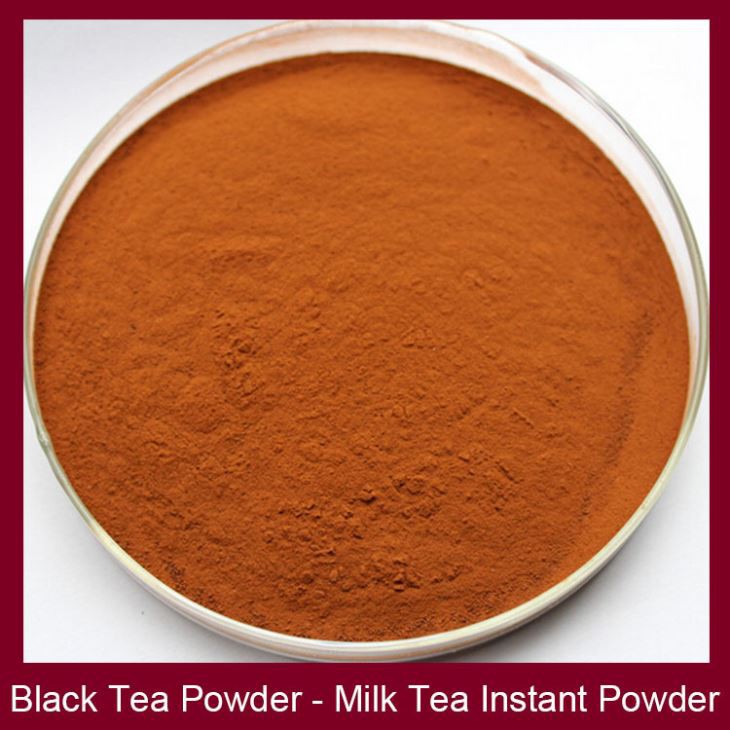
Which specification points should be fixed before sampling?
The purchase specification should contain enough information to obtain comparable samples and quotations. For this project, four high-value criteria are solubility method, color target, sensory profile, carrier declaration. Each needs a definition, a method of verification, and an owner who can approve deviations.
Solubility Method
Solubility Method must be a question that purchasing, R&D, and quality teams answer consistently. State why it matters to iced tea, milk tea, and powdered beverages, how it will be checked, and what evidence is acceptable. Useful evidence may include a written specification and an identified sample. If it affects labeling, yield, texture, or lot release, place it in the controlled specification rather than an email thread.
Color Target
Color Target must be a question that purchasing, R&D, and quality teams answer consistently. State why it matters to iced tea, milk tea, and powdered beverages, how it will be checked, and what evidence is acceptable. Useful evidence may include a method, unit, sampling point, and acceptance limit. If it affects labeling, yield, texture, or lot release, place it in the controlled specification rather than an email thread.
Sensory Profile
Sensory Profile must be a question that purchasing, R&D, and quality teams answer consistently. State why it matters to iced tea, milk tea, and powdered beverages, how it will be checked, and what evidence is acceptable. Useful evidence may include records that connect the result to a production lot. If it affects labeling, yield, texture, or lot release, place it in the controlled specification rather than an email thread.
Carrier Declaration
Carrier Declaration must be a question that purchasing, R&D, and quality teams answer consistently. State why it matters to iced tea, milk tea, and powdered beverages, how it will be checked, and what evidence is acceptable. Useful evidence may include a trial performed under the intended processing and packing conditions. If it affects labeling, yield, texture, or lot release, place it in the controlled specification rather than an email thread.
| Decision factor | Buyer question | Evidence | Gate |
|---|---|---|---|
| solubility method | Decision gate: how will this affect iced tea, milk tea, and powdered beverages? | Controlled specification plus approved sample | Must meet before quotation comparison |
| color target | Commercial consequence: how will this affect iced tea, milk tea, and powdered beverages? | Named test method and lot-specific result | Must meet before sample approval |
| sensory profile | Critical question: how will this affect iced tea, milk tea, and powdered beverages? | Application trial record under intended conditions | Must meet before production |
| carrier declaration | Evidence to request: how will this affect iced tea, milk tea, and powdered beverages? | Packaging or shipment verification record | Must meet before shipment release |
This table is a project-planning example, not a universal product specification. Acceptance limits must be agreed for the actual product, market, and process.
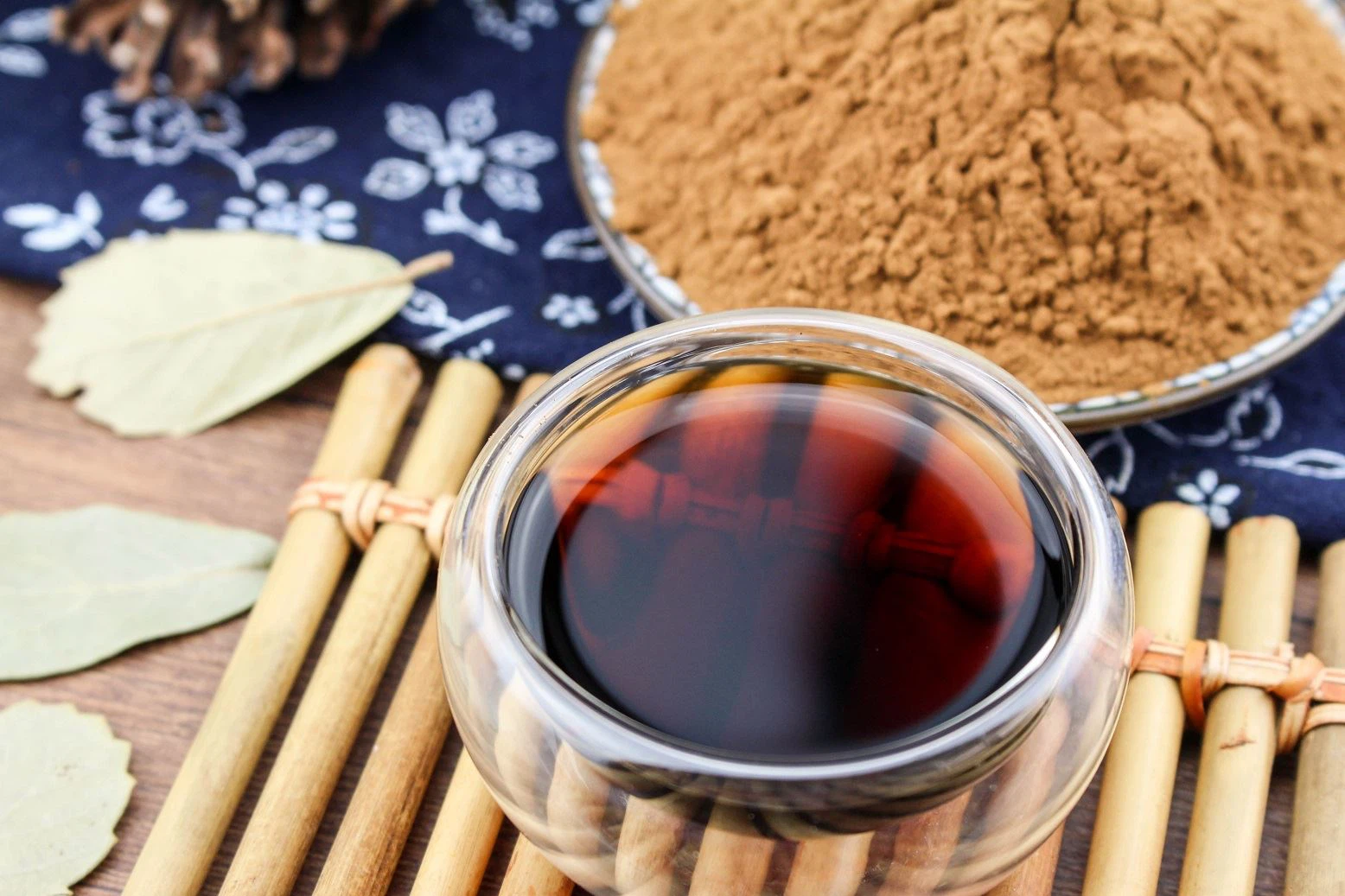
What approval workflow keeps the project controlled?
Use a gated workflow: brief, supplier question set, documented sample, application trial, specification approval, packaging approval, pre-production confirmation, and lot release. Do not let a later stage silently reopen an earlier decision. If a change is necessary, identify the new version and record who approved it.
Sample-to-batch control
The approved sample must be traceable. Record supplier, product code, lot, date received, test conditions, and storage location. The production order should reference the approved specification and sample version. For repeat orders, review any change in raw material, process, pack, manufacturing site, or test method before accepting equivalence.
What can go wrong when Using The Word Instant Without Defining Water Temperature, Dosage, And Acceptable Sediment?
The central risk is using the word instant without defining water temperature, dosage, and acceptable sediment. The mechanism is usually a missing definition or an uncontrolled change: purchasing receives one assumption, the supplier uses another, and the difference becomes visible only after production or shipment. Commercial consequences can include reformulation, sorting, repacking, delayed launch, rejected material, or a dispute about whether the lot actually met the order.
Cause, mechanism, and consequence
Write the risk as a chain. A vague requirement leads to different interpretations; different interpretations lead to an unsuitable sample or batch; the unsuitable material then affects yield, quality, labeling, or delivery. This format helps the team choose a prevention control instead of merely adding inspection after the problem has occurred.
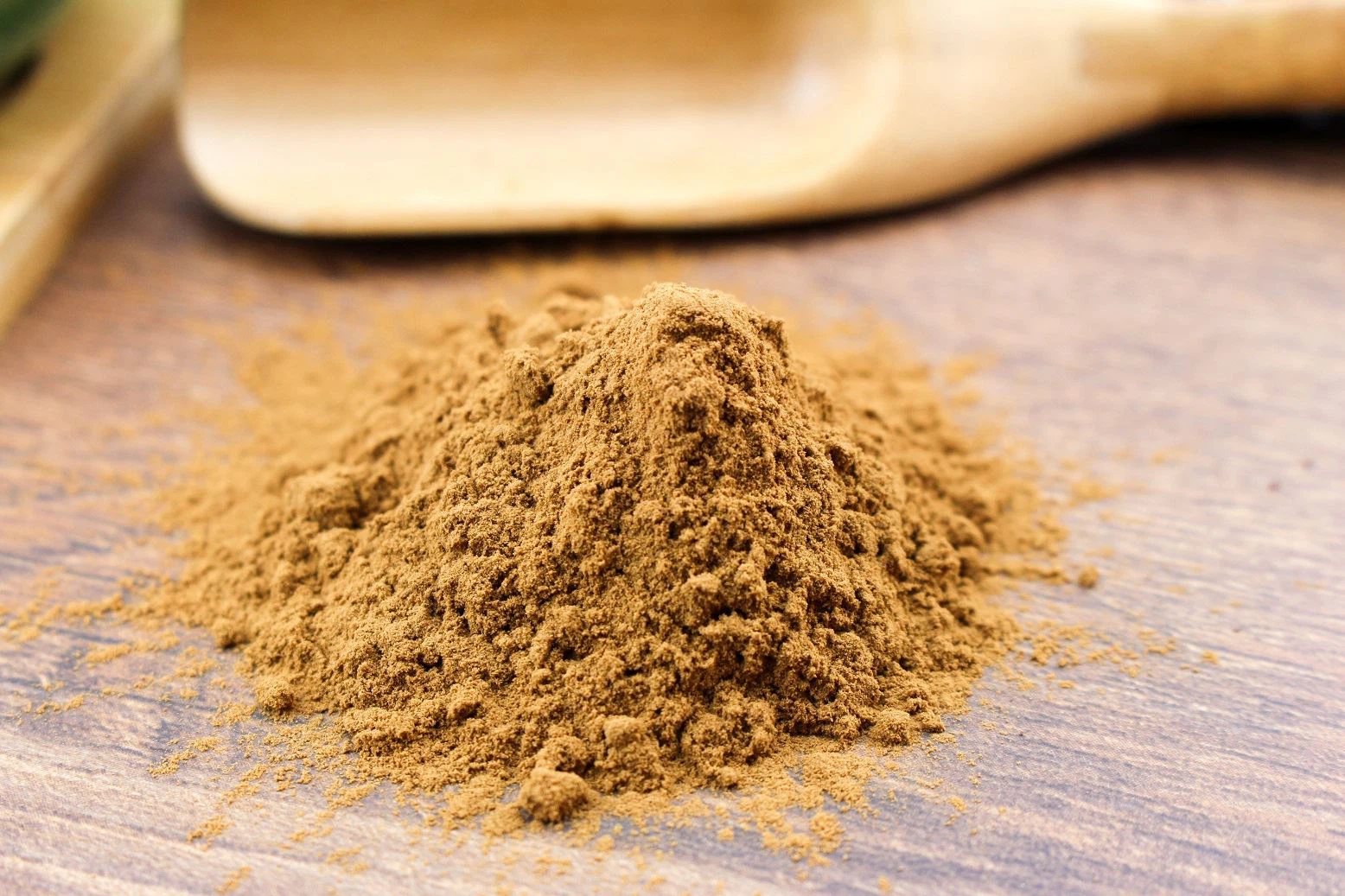
Related Tea Powder Sourcing Resources
Use these related guides and existing site sections to continue supplier and specification review:
Frequently Asked Questions
1. What information should I send when requesting bulk instant black tea powder?
Send the application, product format, ingredient and labeling constraints, pack, destination market, volume, delivery point, and the priority criteria: solubility method, color target, sensory profile, carrier declaration. Include test methods or a reference sample when available so the supplier can identify assumptions and quote a comparable scope.
2. How should I compare samples of instant black tea powder?
Use one written protocol, identical preparation conditions, and recorded lot identities. Score the attributes that matter to iced tea, milk tea, and powdered beverages. Review documentation and functional performance before approval, then retain the accepted sample as the benchmark for production.
3. Which quality documents matter most for this purchase?
The file commonly includes a current specification, ingredient and allergen statements, lot-specific certificate of analysis, traceability details, packaging specification, and relevant certification. Verify scope and validity. Organic status, claims, or destination markets may require additional documents.
4. How can a buyer reduce the risk of using the word instant without defining water temperature, dosage, and acceptable sediment?
Define the requirement, measurement method, approved sample, and allowed deviation. Specify preparation conditions and approve the powder in the intended beverage base. Assign an approver so commercial pressure cannot silently override a food-safety, legal, or functional condition.
5. When is a production trial necessary before a bulk order?
Use a production trial when laboratory work cannot reproduce mixing, heating, filling, conveying, packing, storage, or consumer preparation. Define the objective and acceptance criteria before the run, especially where fragility, dispersion, rehydration, or packaging interaction affects yield or quality.
References
- Fellows, P. J. Food Processing Technology: Principles and Practice. Woodhead Publishing.
- Mujumdar, A. S., editor. Handbook of Industrial Drying. CRC Press.
- Codex Alimentarius Commission. General Principles of Food Hygiene, CXC 1-1969. Food and Agriculture Organization of the United Nations and World Health Organization.
- Codex Alimentarius Commission. General Standard for the Labelling of Prepackaged Foods, CXS 1-1985. Food and Agriculture Organization of the United Nations and World Health Organization.
- U.S. Food and Drug Administration. Current Good Manufacturing Practice, Hazard Analysis, and Risk-Based Preventive Controls for Human Food. FDA.
- U.S. Food and Drug Administration. Bad Bug Book: Handbook of Foodborne Pathogenic Microorganisms and Natural Toxins. FDA.
- International Organization for Standardization. ISO 22000:2018 Food Safety Management Systems—Requirements for Any Organization in the Food Chain. ISO.
- BRCGS. Global Standard Food Safety, Issue 9. BRCGS.
Decision Framework: How, Why, Options, and Considerations
How and why
Start with iced tea, milk tea, and powdered beverages, convert the desired outcome into measurable requirements, and approve evidence in stages. This keeps assumptions out of the product name and shows whether quotations differ because of quality scope, packaging, testing, or service.
Options and considerations
Options include instant black tea powder, spray-dried black tea powder, specification ranges, pack formats, and approval routes. Specify preparation conditions and approve the powder in the intended beverage base.
Final buyer check
Confirm the approved sample, specification revision, ingredient statement, records, pack, delivery term, change-control rule, and approvers. Ask Fujian Lixing Foods for product-specific evidence. Confirm any MOQ, lead time, certification scope, shelf life, or performance claim in writing for the actual order.