Freeze-Dried Fruit in Fine Dining: How Top Chefs Use It to Create Signature Dishes
12 月-27-2025
Freeze-Dried Fruit in Fine Dining: How Top Chefs Use It to Create Signature Dishes
From bright garnishes to precision sauces and plated desserts, this guide explains how to select freeze-dried fruits that deliver clean flavour, elegant texture, and consistent results in high-end kitchens.
Why Fine Dining Loves Freeze-Dried Fruit
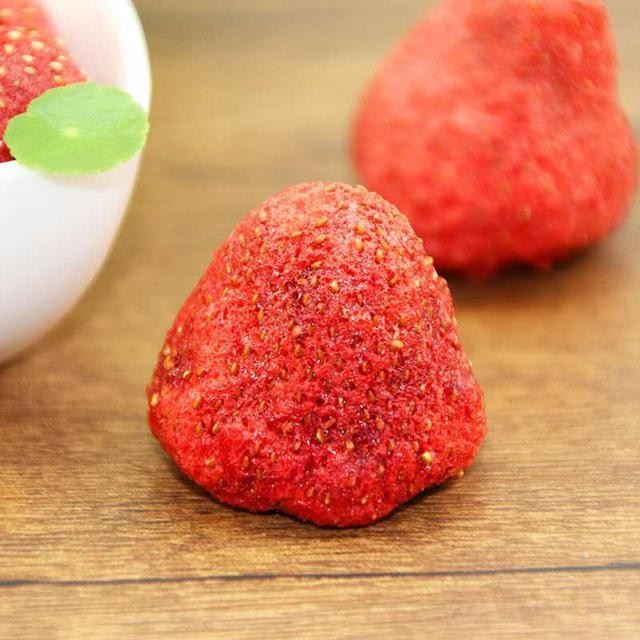
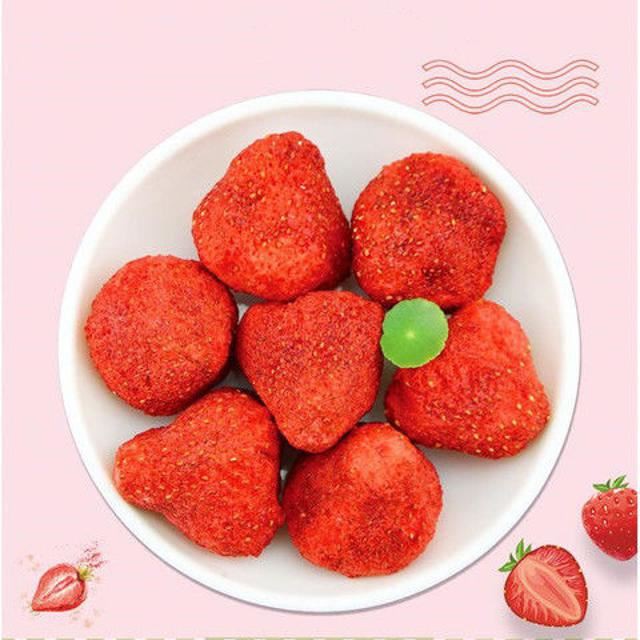
Fine dining is obsessed with two things that rarely get along: creativity and consistency. A dish can be beautiful once, but restaurants need it to be beautiful every service, for every chef on the pass, in every season. Freeze-dried fruit fits that reality because it offers intense aroma, vibrant colour, and stable performance—without waiting on peak-season availability.
Chefs also like control. With freeze-dried fruit, they can dose flavour precisely, create crisp textures on demand, and build plating elements that stay sharp and refined from prep to service. When you choose the right format—pieces, slices, granules, or powder—you’re not just buying an ingredient. You’re buying a toolbox for precision.
If readers want to explore a broader product range before making a shortlist, you can reference the category through Dried Foods.
Where Freeze-Dried Fruit Creates the Biggest “Wow” on the Plate
Freeze-dried fruit works in fine dining because it can play multiple roles in one dish: aroma, acidity, sweetness, colour, crunch, and even “story” (exotic origin, seasonal feel, modern technique).
Here are the most common high-end uses that actually show up on menus:
Garnish and Texture Contrast
Crisp fruit pieces add a clean crunch without deep-frying or heavy sugar work. Think freeze-dried berry crumbs over a mousse, pineapple shards on a tropical tart, or citrus slices paired with seafood for a sharp aromatic lift. If you want a good example of “slice-format versatility,” you can point readers to Uses of Freeze-Dried Lemon Slices.
Powder as a Precision Seasoning
Powder is where chefs become engineers. A fine fruit powder can act like a “flavour dust” for plating—used to finish desserts, rim cocktail glasses, balance acidity in a sauce, or create colour gradients on a plate. For a portfolio reference, link to Freeze-Dried Fruit Powder.
Sauces, Coulis, and Reductions with Clean Fruit Identity
Freeze-dried fruit can be rehydrated into a controlled puree base, then reduced or balanced into a refined sauce. The advantage isn’t “stronger flavour.” The advantage is repeatability and the ability to build fruit-forward sauces even when fresh fruit quality is inconsistent.
Modern Beverage Pairings and Dessert Drinks
Fine dining increasingly pairs desserts with tea-based drinks, fruit-tea blends, or low-alcohol cocktails. Fruit powders and instant tea systems make it easier to build consistent pairings at service speed. If you want to reference tea ingredients naturally, use Tea & Plant Extract Products.
How to Choose the Right Format for Fine Dining Applications
Picking freeze-dried fruit for fine dining is less about “which fruit” and more about “what role it plays.”
Pieces and Dices
Best for crunch, garnish structure, and visible fruit identity. Choose pieces when the guest should instantly recognise the ingredient on the plate. Smaller cuts generally rehydrate faster if they touch sauce, while larger cuts keep dramatic texture longer.
Slices
Best for visual drama and aromatic lift. Citrus slices, for example, can deliver a bright top note and an elegant look without needing fresh peel every service.
Granules
Best for controlled texture and easy portioning. Granules behave well in dessert layers, fillings, and crumble-style elements.
Powder
Best for plating precision, colour, and fast flavour integration. Powder also works well in pastry operations where accurate dosing matters.
A quick match table makes selection easier:
| Fine Dining Use | Best Format | What to Check First | Common Mistake |
|---|---|---|---|
| garnish crunch on desserts | pieces / granules | crispness after exposure to humid kitchen air | choosing a cut that turns soft too fast |
| flavour dust / plating finish | powder | dispersion, mouthfeel, aroma “lift” | powder that tastes dull or feels chalky |
| sauce or coulis base | powder / small pieces | rehydration smoothness and flavour balance | expecting it to behave like fresh puree |
| cocktail rim / dessert drink | powder | clumping resistance and flavour intensity | powder that cakes during service |
Expert Insights
A pastry chef’s view: freeze-dried fruit powder is a precision tool, not a decoration. The best powders are the ones that deliver aroma immediately, stay clean on the palate, and don’t leave gritty residue in creams or ganache.
A culinary R&D chef’s view: consistency wins Michelin-level trust. If the fruit element varies from plate to plate, guests notice—even if they can’t explain it. The best ingredient format is the one that behaves predictably during a busy service.
A food quality manager’s view: moisture exposure is the silent killer of crisp textures. Your ingredient can be excellent and still disappoint if storage and handling are sloppy. The solution is disciplined sealing and minimising open-air exposure during prep.
How Chefs Build Signature Dishes with Freeze-Dried Fruit
Fine dining doesn’t use freeze-dried fruit as a shortcut. It uses it to expand techniques.
Dessert Architecture
Freeze-dried fruit can reinforce a dessert’s “spine”: powder in a sponge base, granules in a crunch layer, pieces on top for contrast, and a fruit-forward sauce to tie it together. This structure creates a multi-sensory experience with minimal chaos in service.
Seafood and Citrus Pairing
Citrus elements often highlight seafood without overwhelming it. Freeze-dried citrus can contribute aroma and brightness while staying stable and easy to portion. That makes it easier to keep a dish consistent across seasonal changes.
Exotic Fruit Storytelling
High-end menus love rare and memorable ingredients. Freeze-dried exotic fruits can deliver a clean, intense signature without relying on fragile fresh supply. If you want a concrete product example for “premium exotic garnish,” you can reference Freeze-Dried Mangosteen as a specialty option used for upscale dessert or tasting-menu elements.
Practical Tests Before a Restaurant or Distributor Commits
Fine dining buyers often make a mistake: they taste the ingredient dry and decide too fast. The correct approach is to test it in the dish conditions that matter.
For garnish applications, test crispness at 10 minutes, 30 minutes, and 60 minutes in real kitchen conditions. For powders, test mouthfeel in the actual fat/sugar system (cream, chocolate, glaze) and check whether aroma shows up immediately when the guest first smells the dish. For sauces, test rehydration smoothness and flavour balance after reduction.
If you want to standardise this evaluation method across your content library, you can route readers to Knowledge as the place for deeper application notes and testing logic.
How Fujian Lixing Supports Fine Dining Ingredient Needs
Fujian Lixing Foods specialises in vacuum freeze-dried fruits and vegetables, instant tea powder and tea concentrates, and other plant extracts. For fine dining, that matters because modern menus often blend fruit elements with tea, botanicals, and layered flavour systems.
If a buyer wants to understand the manufacturer story and capability, direct them to About Us. For sample requests, format discussions, or an RFQ based on a specific application (garnish, powder, sauce base, beverage pairing), route them to Contact Us.
Conclusion
Freeze-dried fruit has earned a real place in fine dining because it gives chefs precision: intense aroma, clean flavour, elegant colour, and reliable performance across seasons and service pressure. The key is choosing the right format for the job—pieces for crunch, powder for plating precision, and controlled rehydration formats for sauces and fillings. When tested under real kitchen conditions and handled with moisture discipline, freeze-dried fruit becomes a premium ingredient that helps top restaurants deliver signature dishes with repeatable excellence.
FAQ
How do fine dining chefs use freeze-dried fruit most often?
They commonly use it as crisp garnish, flavour dust, dessert-layer texture, sauce base, and drink pairing ingredient, because it offers precise dosing and consistent performance.
What is the best freeze-dried fruit format for plating and finishing?
Powder is often the best for finishing because it delivers fast aroma and colour impact with precise portioning, especially when the powder has clean mouthfeel and strong “lift.”
Does freeze-dried fruit taste stronger than fresh fruit?
It can taste more concentrated in aroma and flavour because water has been removed, but the final result depends on format, rehydration, and how it’s balanced with acids, fats, and sweetness in the dish.
How can kitchens keep freeze-dried fruit crispy during service?
Keep it sealed until needed, minimise time exposed to humid air, and use smaller prep batches. Crispness is highly sensitive to moisture exposure during busy service.
Can freeze-dried fruit be used to make sauces and coulis?
Yes. It can be rehydrated into a controlled fruit base and balanced into a sauce. The key is testing smoothness, flavour balance, and stability after reduction.
What should buyers test before ordering for high-end restaurant use?
Test prepared-state aroma, mouthfeel, crispness retention (for garnish), rehydration behaviour (for sauces), and consistency across multiple prep sessions.
How do chefs avoid gritty texture when using fruit powders?
Choose powders with good dispersion and clean mouthfeel, then test them in the real base (cream, chocolate, glaze, syrup) rather than only in water.
What information should a restaurant group provide when requesting samples?
Provide the intended use (garnish, powder finish, sauce base, beverage), target dish conditions, preferred format, and any requirements for flavour intensity or colour profile.