How Freeze-Dried Vegetables Help Extend Shelf Life in Finished Foods
12 月-27-2025
How Freeze-Dried Vegetables Help Extend Shelf Life in Finished Foods
An ingredient-level approach to improving stability, reducing spoilage risk, and keeping flavour and texture consistent across storage and export.
Why Shelf Life Fails More Often Than Brands Expect
Shelf life rarely fails because one thing went “wrong.” It fails because multiple small stressors stack up: moisture migration, oxidation, inconsistent storage temperatures, ingredient variability, and packaging integrity that isn’t perfect in real life.
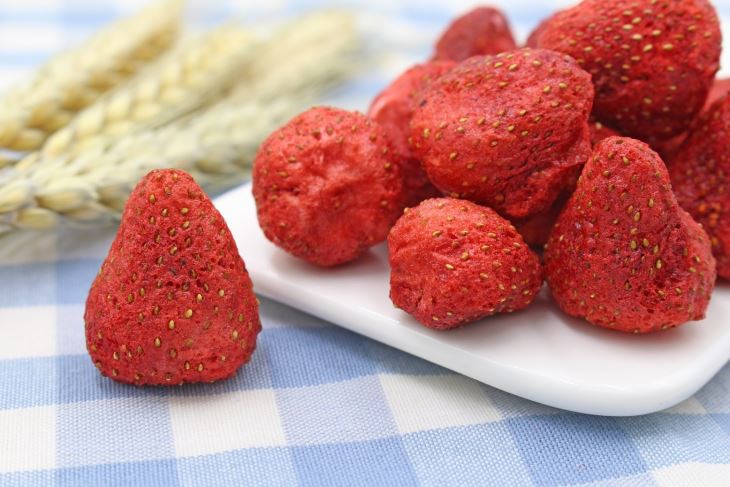
Freeze-dried vegetables help because they remove water while protecting much of the ingredient’s structure. That matters for stability in two ways. First, lower water content can reduce the conditions that allow microbial growth and texture breakdown. Second, the format is easier to standardise in manufacturing, which reduces batch-to-batch variability and surprise defects that show up six weeks later—when it’s too late and the shipment is already in somebody’s warehouse.
If you want to place this topic inside your site structure naturally, you can reference the broader portfolio through Dried Foods.
What “Shelf Life Extension” Really Means at Ingredient Level
Extending shelf life is not only about “making food last longer.” For serious brands, shelf life is a promise of product experience. When a customer opens the pack near the end of shelf life, you still want acceptable aroma, colour, texture, and rehydration performance.
At ingredient level, shelf life extension usually comes from controlling three variables:
Water activity management, because moisture drives microbial risk and texture change.
Oxidation control, because fats and natural compounds can degrade flavour and colour over time.
Stability of the finished system, because ingredients interact with each other, not just with the clock.
Freeze-dried vegetables are useful because they can lower the moisture burden while keeping a “real ingredient” identity in the final product. That combination is hard to achieve with many traditional dried formats.
How Freeze-Dried Vegetables Improve Storage Stability
Freeze-dried vegetables support shelf stability through a few practical mechanisms.
They reduce the “free water” problem. Less moisture in the ingredient means less opportunity for unwanted reactions. In many products, this also reduces moisture migration between components—such as a crunchy element turning soft because it absorbs humidity from another ingredient.
They help maintain structure. When the vegetable’s structure survives processing, rehydration can be more consistent. That consistency reduces quality drift across shelf life, especially in products that are prepared with hot water, such as soups and meal cups.
They allow more precise dosing. Shelf life is not only chemistry; it is also manufacturing discipline. When you can portion ingredients more consistently, you reduce variability in flavour intensity and hydration behaviour, which makes your product performance more repeatable across markets.
A practical way to frame it is to connect format choice to the final product outcome.
| Vegetable Format | What Usually Improves | What You Still Need to Control | Best Fit Finished Foods |
|---|---|---|---|
| Freeze-dried dices/slices | rehydration consistency, “real ingredient” feel | humidity exposure, oxygen exposure | instant soups, meal cups, savoury mixes |
| Freeze-dried granules | faster hydration, easier blending | powder flow and clumping risk | seasoning blends, soup bases |
| Conventional hot-air dried | cost stability, availability | flavour drift, texture loss | basic soup mixes, non-premium lines |
Where Freeze-Dried Vegetables Create the Most Value
Freeze-dried vegetables are not always necessary. They create the strongest value when your product depends on “prepared-state experience” and when stability problems are expensive.
Instant soups and meal cups benefit because consumers judge the product within minutes of preparation. If the vegetable looks dull, collapses into mush, or tastes flat, they blame the brand, not the ingredient.
Vegetable-based soup packets are a strong example because they need fast preparation, stable storage, and predictable flavour release. If you want to reference a relevant internal page naturally in this context, a good fit is Freeze-Dried Vegetable Soup Packets.
Snack and nutrition blends benefit when you want visible vegetable identity with long storage periods, especially for export or multi-channel distribution where conditions are less controlled.
Expert Insights
A food microbiologist’s view: shelf life is often determined by water activity and system hygiene, not only by “expiry dates.” Lower-moisture ingredients can reduce risk, but only if storage and handling protect them from reabsorbing humidity.
A quality manager’s view: most shelf life complaints are packaging-and-handling complaints wearing an ingredient costume. Even excellent freeze-dried vegetables will degrade if exposed to moisture during blending, packing, or warehouse storage. Process discipline is a shelf-life tool.
A product developer’s view: choose your format based on the consumer’s preparation behaviour. If the product is eaten in five minutes, rehydration performance and texture recovery matter more than any lab spec.
A Simple Evaluation Method Buyers Can Use
The fastest way to judge whether freeze-dried vegetables will actually extend shelf life in your finished product is to test them in the real product system, not in isolation.
Run a baseline batch using your current vegetable format. Then run a pilot batch with freeze-dried vegetables at equivalent sensory target. Store both under realistic conditions, including temperature fluctuations that mimic distribution. Check at set intervals for aroma, colour, texture, clumping (if powders are involved), and prepared-state mouthfeel.
If you want your educational content to reinforce a consistent method across articles, you can reference your technical reading hub through Knowledge.
Common Shelf Life Problems and How Freeze-Dried Vegetables Help
Moisture-driven softening is a classic issue in mixed products. Freeze-dried vegetables can reduce the initial moisture load, which may reduce the “softening pressure” in storage, but only if you control humidity during packing and after opening.
Flavour fade can happen through oxidation and volatile loss. Freeze-dried vegetables often start with strong aroma preservation, but long-term stability still depends on oxygen exposure and storage conditions.
Texture collapse after preparation often comes from poor structural recovery. Freeze-dried vegetables can improve recovery because the structure is preserved more gently, but cut size and process control still matter.
In other words, freeze-dried vegetables are not a magic shield. They are a strong tool—if the rest of your system supports them.
How Fujian Lixing Supports Shelf-Stable Ingredient Supply
Fujian Lixing Foods specialises in vacuum freeze-dried fruits and vegetables, instant tea powder/tea concentrate, and other plant extracts. From the buyer’s perspective, this matters because shelf stability is not only about one ingredient. It’s about building a stable ingredient supply that performs consistently across product lines.
If you want to strengthen buyer confidence without turning the article into a corporate brochure, keep it simple: point to the company background and capabilities through About Us, and provide a direct pathway for technical questions and sampling via Contact Us.
Conclusion
Freeze-dried vegetables can meaningfully support shelf life extension when your finished food depends on stable prepared-state experience, export-friendly storage, and consistent quality across batches. The biggest wins come from moisture control, predictable rehydration behaviour, and reduced variability in manufacturing. If you treat freeze-dried vegetables as part of a shelf-stability system—storage discipline, packaging integrity, and real-condition testing—you’ll reduce late-stage quality drift and deliver a more reliable product experience across markets.
FAQ
Do freeze-dried vegetables automatically make a product last longer?
Freeze-dried vegetables can improve stability because they contain far less moisture and often preserve structure well, but shelf life still depends on the full system, including packaging integrity, oxygen exposure, and storage humidity.
What finished foods benefit most from freeze-dried vegetables?
Instant soups, meal cups, savoury mixes, and products with long distribution chains tend to benefit most because rehydration performance and storage stability strongly affect consumer perception and complaint rates.
Why do freeze-dried ingredients sometimes clump during production?
Clumping is usually caused by moisture exposure during storage, blending, or packing. Tight humidity control and proper sealed handling are essential, especially for finer formats.
How can I test shelf life improvements without waiting a full year?
Use accelerated and comparative storage tests. Run two batches (current format vs. freeze-dried), store them under realistic stress conditions, then check aroma, colour, texture, and prepared-state performance at multiple time points.
Can freeze-dried vegetables reduce the need for preservatives?
They can reduce moisture-related risk, which may support cleaner formulations in some products, but final preservative decisions must be based on finished-product safety validation and target-market requirements.
What is the most common reason shelf life fails even with high-quality ingredients?
Moisture and oxygen exposure. Even strong ingredients can degrade if packaging seals fail, warehouses are humid, or handling introduces repeated exposure to air and moisture.
How do I choose the right cut size for instant soups and meal cups?
Choose based on preparation time and temperature. Smaller cuts hydrate faster and can feel smoother, while larger cuts create visible “real ingredient” cues but may require longer hydration time.
What should I prepare before requesting samples for shelf-life testing?
Prepare your application scenario, desired format (dice, slice, granule), target preparation method, storage conditions, and the key quality outcomes you care about, such as rehydration texture, aroma stability, and appearance.