Instant Tea Powder Market Trends and Future Development
12 月-27-2025
Instant Tea Powder Market Trends and Future Development
What’s driving global demand, which formats are winning, and how beverage brands can choose tea powders that stay aromatic, dissolve cleanly, and scale reliably across markets.
The Instant Tea Category Has Quietly Changed
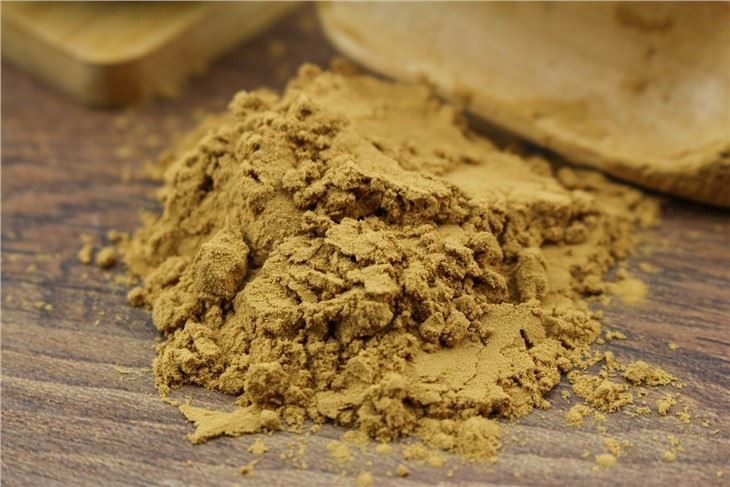
Instant tea used to be treated as “convenience tea.” Today it’s becoming a serious ingredient platform for beverage brands because it solves three hard problems at once: consistent taste, fast preparation, and scalable production. The category is also benefiting from a broader consumer shift toward lighter, lower-sugar drinks, tea-based functional beverages, and “cleaner” flavour systems that don’t taste overly synthetic.
That change is why the market is no longer just about black tea powder or generic milk tea mixes. The growth is happening in more specific spaces: fruit-tea concepts, RTD-style tea mixes, sparkling tea, low-sugar tea blends, and cross-over products that combine tea with botanicals or plant extracts.
If your content needs a natural reference point for your own tea portfolio, you can direct readers to Tea & Plant Extract Products.
What’s Driving Demand Right Now
Better Taste Expectations
Consumers have become less forgiving. If an instant tea tastes flat, overly bitter, or “artificial,” it won’t survive repeat purchase. That pushes brands to choose powders with better aroma fidelity and cleaner finish, not just the lowest-cost solids.
Growth of Functional and “Better-for-You” Drinks
Tea naturally fits functional positioning—caffeine management, polyphenols, perceived “clean energy,” and lighter refreshment versus heavy sugary drinks. Brands are using instant tea powder as a base for functional lines because it offers a stable, measurable way to deliver tea character without complicated brewing operations.
Faster Product Innovation Cycles
Instant tea powders shorten development timelines. Instead of building a brewing and extraction workflow for every new SKU, you can prototype faster with stable tea solids, then scale with fewer moving parts.
Foodservice Consistency
Chains and multi-location operations care about one thing more than romance: every cup should taste the same. Instant tea powder, when selected correctly, reduces operator variability and helps standardise output across stores and regions.
Which Product Formats Are Winning
Instant tea is not a single format category. The winners depend on the application and the consumer experience you’re designing.
Powders for drink mixes are strong for sachets, stick packs, and quick-serve beverage stations because dosing is easy and shelf stability is straightforward. Tea concentrates and blended systems are gaining share in applications that demand stronger aroma impact or a more layered profile. And hybrid concepts—tea plus fruit powder, tea plus botanicals—are growing because they fit modern flavour trends while staying operationally simple.
Here’s a useful mapping table when deciding what format aligns with your product type.
| Beverage Concept | Most Common Tea Format | Why It Works | Typical Pitfall |
|---|---|---|---|
| Stick packs / sachets | instant tea powder | fast preparation, easy dosing | clumping if humidity control is weak |
| Fruit-tea blends | tea powder + fruit powder | layered aroma and colour | flavour conflict if balance is off |
| Milk tea bases | tea powder / tea concentrate | consistent tea backbone | bitterness spikes at high solids |
| Functional tea drinks | tea powder + plant extracts | stable delivery, scalable | sediment or harsh finish if not tuned |
If you want a specific example product link that feels natural inside a discussion of aroma and solubility, you can reference Spray-Dried Oolong Tea Instant Powder as a concrete format used in modern drink systems.
The Technical Trends That Will Shape the Next 3–5 Years
Trend 1: “Clean Dissolve” Becomes a Core Expectation
Consumers hate gritty residue. Brands hate support tickets. The industry is moving toward powders designed for faster wetting and more stable dispersion—especially for cold-water applications. Expect more emphasis on dissolution testing at real temperatures, not just “it dissolves in hot water.”
Trend 2: Aroma Fidelity Wins Over Maximum Strength
In tea, “stronger” is not always better. Overly strong tea solids can trigger a harsh finish or bitterness spikes depending on recipe acidity and sweetener choice. Brands are increasingly choosing powders that preserve the signature aroma—oolong floral notes, green tea freshness, black tea malty character—without pushing the taste into aggressive territory.
Trend 3: Blended Systems Replace Single-Ingredient Thinking
Many successful products now treat tea as a platform, not a single input. Tea + fruit, tea + herbal botanicals, tea + plant extracts, tea + light carbonation. This drives demand for suppliers that understand interaction effects, not just ingredient specs.
Trend 4: Regional Preference Splits the Market
One global “best taste” doesn’t exist. Japanese and Korean consumers often prefer cleaner, lighter tea notes. Some European markets favour refined black tea profiles. Southeast Asia has a strong milk tea culture. The same tea powder may not win everywhere; suppliers that can support profile tuning will be more valuable.
Expert Insights
A beverage technologist’s view: dissolution performance should be tested with the consumer’s real behaviour—shaking, stirring, cold water, ice—because lab mixing hides the problems that show up in the real world.
A sensory specialist’s view: aroma is the first impression and the last memory. If your tea aroma doesn’t “lift” when the consumer opens the cup, the product feels cheaper, even if the ingredient list looks premium.
A QA manager’s view: many defects are humidity problems disguised as ingredient problems. If your powder clumps, cakes, or loses flowability, your first suspect should be moisture exposure during storage and handling, not the formula.
For more technical reading and product-application notes, you can guide readers to Knowledge as your educational hub.
How to Choose the Right Instant Tea Powder for Your Brand
Selection becomes much easier when you stop buying “tea powder” and start buying performance targets.
Define your serving scenario first. Is it hot, cold, iced, shaken, blended, carbonated, or mixed with milk? Then set your target profile: tea-forward, fruit-forward, or balanced. Finally, test the powder under real constraints: your sweetener system, your acidity level, and your intended shelf conditions.
Key evaluation points that predict success:
Aroma clarity in the prepared drink, not only in the dry powder.
Bitterness control at your intended solids level.
Dispersion and sediment behaviour after standing.
Stability across temperature swings if you sell into export markets.
If your product range also includes fruit-tea blends, a clean way to connect users to the ingredient family is to reference Freeze-Dried Fruit Powder within your “blended systems” paragraph.
How Fujian Lixing Fits Into This Category
Fujian Lixing Foods specialises in instant tea powder and tea concentrate, alongside vacuum freeze-dried fruits/vegetables and other plant extracts. For beverage brands, that matters because modern tea products increasingly rely on combinations: tea + fruit, tea + botanicals, tea + plant extracts.
If a buyer wants to understand the manufacturer background and capability, direct them to About Fujian Lixing Foods. For sampling requests or formulation discussions, route them to Contact Us so the conversation starts with application details rather than generic questions.
Conclusion
Instant tea powder is moving from “convenience ingredient” to “brand platform ingredient.” The market is being shaped by higher taste expectations, functional beverage growth, faster innovation cycles, and the need for operational consistency. The future belongs to products that dissolve cleanly, carry authentic aroma, and perform predictably in real consumer use—hot, cold, and iced. If you choose tea powders based on prepared-state performance and system fit, you’ll build beverages that scale across markets without sacrificing flavour identity.
FAQ
What is instant tea powder used for in beverage manufacturing?
Instant tea powder is used as a consistent tea base for drink mixes, fruit-tea blends, milk tea, functional beverages, and quick-serve systems where brewing consistency and speed matter.
Why does instant tea sometimes taste bitter or harsh?
Bitterness can increase when solids are too high, when recipe acidity is unbalanced, or when the tea profile isn’t matched to the sweetener system. Testing at real concentration is essential.
How can I improve solubility in cold-water tea drinks?
Choose powders designed for better wetting and dispersion, test with cold water and ice, and evaluate sediment after standing. Mixing method matters as much as ingredient choice.
Can instant tea powder work with fruit powders?
Yes, and the combination is growing quickly. The key is flavour hierarchy: decide whether tea or fruit is the lead note, then tune intensity so they support each other rather than clash.
What quality tests should buyers run before a bulk order?
Run prepared-state aroma checks, dispersion and sediment tests, bitterness evaluation at target solids, and stability checks under realistic storage and temperature variation.
Why does tea powder clump during production or storage?
Clumping is commonly caused by moisture exposure. Warehouse humidity, open handling time, and packaging integrity all influence powder flowability and stability.
What information should I provide when requesting samples or an RFQ?
Provide your beverage type, serving temperature, mixing method, target flavour profile, desired strength, and any stability expectations. This helps suppliers recommend the right format faster.
Are tea concentrates different from tea powders?
They can be. Concentrates are often used when a stronger aroma or different processing behaviour is required. The best choice depends on your product format and production workflow.